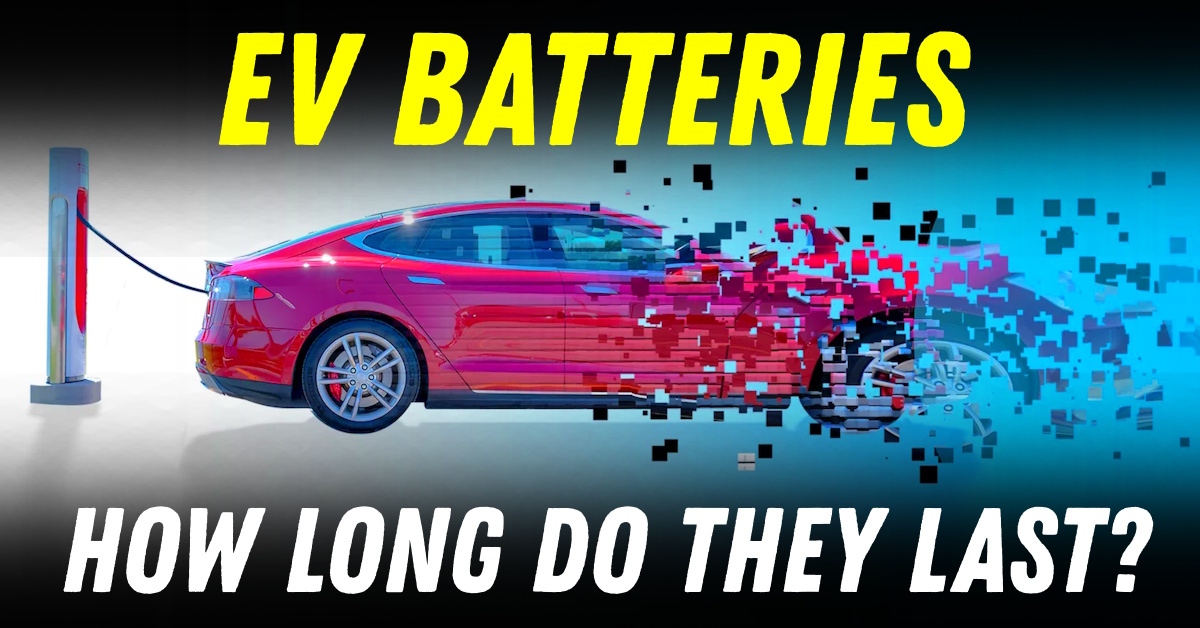
One of the most common questions potential electric vehicle (EV) buyers ask is:
“How long do EV batteries actually last?”
Battery lifespan is often misunderstood and surrounded by myths. Many people worry about expensive replacements, reduced range over time, and long-term reliability. The truth is, modern EV batteries are far more durable and long-lasting than most people expect.
In this blog, we’ll explore EV battery lifespan, real-world data, factors affecting battery health, replacement costs, and tips to make your EV battery last longer.
What Type of Batteries Do EVs Use?
Most electric vehicles use lithium-ion batteries, similar to those found in smartphones and laptops—but much more advanced.
Common EV battery chemistries include:
- Lithium Nickel Manganese Cobalt (NMC)
- Lithium Iron Phosphate (LFP)
- Lithium Nickel Cobalt Aluminum (NCA)
These batteries are designed specifically for automotive use, with thermal management systems, safety controls, and intelligent battery management systems (BMS).
Average Lifespan of an EV Battery
Battery Lifespan in Years
On average, an EV battery lasts:
- 8 to 15 years
- Often longer with proper usage and care
Most manufacturers provide:
- 8-year or 160,000 km (100,000 miles) battery warranty
- Some brands offer warranties up to 10 years
Battery Lifespan in Kilometers
- Typical EV batteries are designed for 1,500 to 3,000 full charge cycles
- This translates to 300,000 to 500,000 km or more, depending on vehicle range
For example:
- An EV with a 400 km range × 2,000 cycles = 800,000 km potential lifespan
Do EV Batteries Lose Capacity Over Time?
Yes—but very slowly.
Real-World Battery Degradation
- Most EVs lose about 2–3% capacity per year
- After 8 years, many batteries still retain 70–80% of original capacity
Even after noticeable degradation:
- The car remains fully drivable
- Reduced range is usually gradual and predictable
Factors That Affect EV Battery Life
1. Charging Habits
- Frequent DC fast charging can accelerate degradation
- Regular AC home charging is gentler on the battery
2. State of Charge
- Keeping the battery constantly at 100% or 0% can stress cells
- Ideal range: 20%–80% for daily use
3. Temperature & Climate
- Extreme heat or cold affects battery chemistry
- EVs with active thermal management last longer
4. Driving Style
- Aggressive acceleration and high-speed driving increase heat
- Smooth driving improves battery longevity
5. Battery Chemistry
- LFP batteries (common in newer EVs) last longer and tolerate full charging better
- NMC/NCA batteries offer higher energy density but need more care
What Happens When an EV Battery “Dies”?
An EV battery doesn’t suddenly stop working.
Instead:
- The driving range reduces
- Performance may slightly decline
- The battery can still be used for years
When capacity drops below 70%, it’s considered “end of life” for automotive use—but not useless.
EV Battery Replacement Cost
Battery replacement costs have dropped significantly.
Current Estimates
- ₹5–10 lakh in India (varies by size and brand)
- Costs are expected to reduce by 30–50% in the next decade
Important Note
- Full battery replacement is rare
- Often, only individual battery modules are replaced
Second Life & Recycling of EV Batteries
Second-Life Applications
Used EV batteries can be reused for:
- Home energy storage
- Solar power backup
- Grid storage solutions
Recycling
- Over 90% of battery materials can be recovered
- Lithium, cobalt, nickel, and copper are recyclable
- EV battery recycling industry is growing rapidly
How to Make Your EV Battery Last Longer
Practical Tips
- ✔ Charge between 20–80% for daily use
- ✔ Avoid frequent fast charging
- ✔ Park in shaded or covered areas
- ✔ Use scheduled charging when possible
- ✔ Keep software updated
- ✔ Drive smoothly and avoid extreme speeds
EV Battery Myths vs Reality
| Myth | Reality |
| EV batteries die in 3–5 years | They last 8–15+ years |
| Replacement is always needed | Most never need replacement |
| Cold weather kills batteries | Temporary range drop only |
| EVs are not reliable long-term | Many EVs outlast ICE cars |
Are EV Batteries Better Than ICE Engines?
Yes—when it comes to longevity and maintenance.
| Component | EV | Petrol/Diesel |
| Major moving parts | Few | Hundreds |
| Maintenance frequency | Low | High |
| Long-term reliability | High | Medium |
| Failure points | Minimal | Many |
Final Verdict: How Long Do EV Batteries Really Last?
Much longer than most people think.
Modern EV batteries are:
- Engineered for longevity
- Backed by long warranties
- Continuously improving with new technology
For most owners, the EV battery will outlast the car itself.
Thinking of Buying an EV?
Battery life shouldn’t stop you. With proper care, an EV battery is a long-term, reliable, and cost-effective solution for modern mobility.