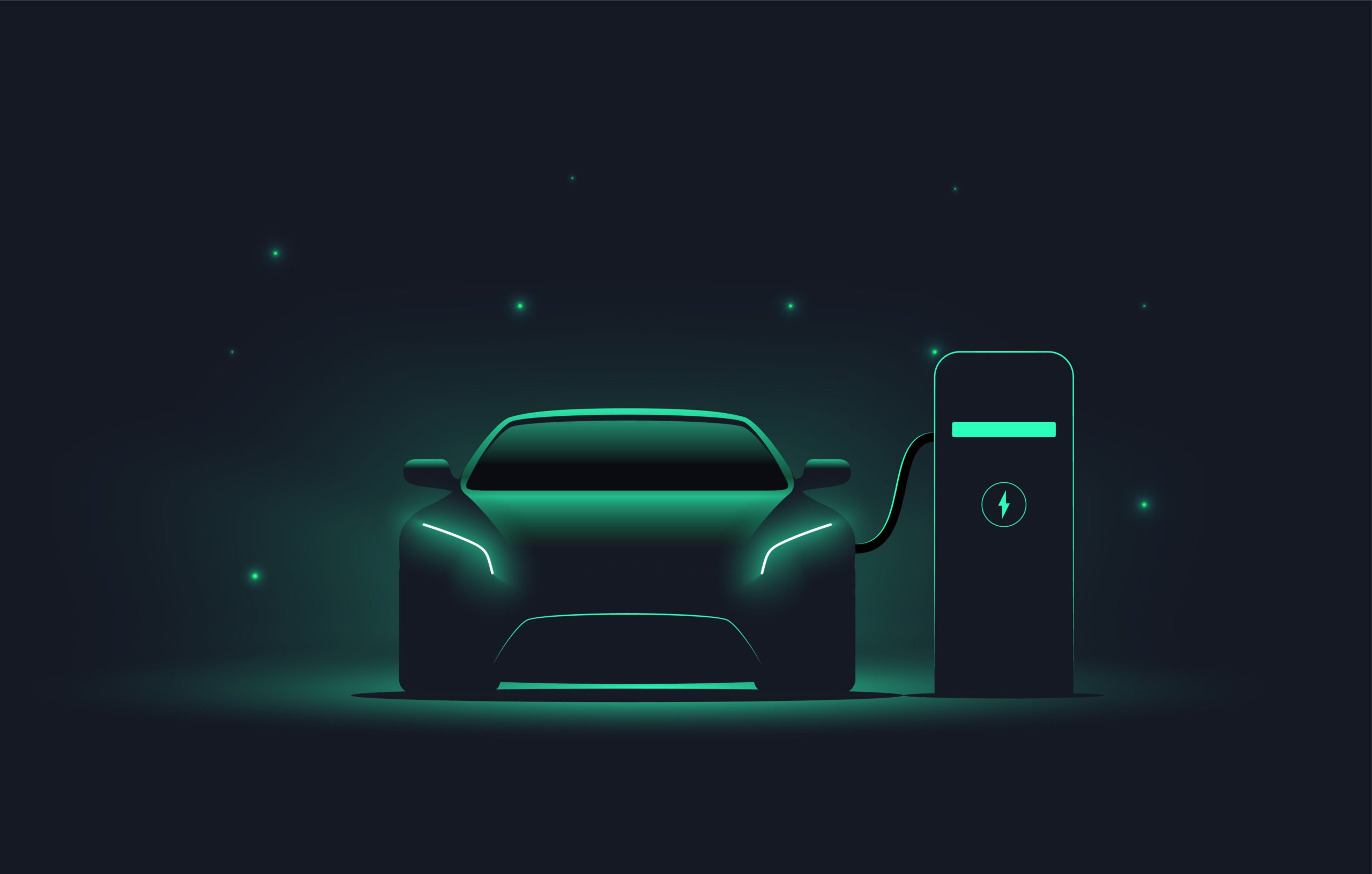
As electric vehicles become more common on our roads, charging infrastructure is often the first concern people raise.
Questions like “Where will I charge?”, “What if the charger doesn’t work?”, or “Why does charging take so long?” are completely valid.
The good news? Most charging problems already have simple, real-world solutions — if you know what to look for.
Let’s break it down.
🚧 The Reality of EV Charging Today
EV charging infrastructure is growing fast, but it’s still evolving. While cities are seeing rapid charger installations, users may still face gaps in availability, reliability, or clarity — especially during long trips or peak hours.
Understanding the problems is the first step toward smarter EV ownership.
🔌 Common EV Charging Problems (And Why They Happen)
1️⃣ Limited Public Charging Stations
In many areas, especially highways and smaller cities, charging stations are still fewer than petrol pumps.
Why it happens:
Charging infrastructure expansion requires planning, land, grid upgrades, and time.
2️⃣ Long Charging Times
Compared to refueling a petrol car, charging can feel slow — especially on standard AC chargers.
Why it happens:
Charging speed depends on:
- Charger type (AC vs DC fast charger)
- Vehicle’s charging capacity
- Battery temperature and state of charge
3️⃣ Non-Functional or Busy Chargers
Arriving at a charger that’s offline, under maintenance, or already occupied can be frustrating.
Why it happens:
- Poor maintenance
- Power supply issues
- High EV adoption in certain locations
4️⃣ Compatibility & Connector Confusion
Different chargers, plugs, apps, and payment systems often confuse new EV owners.
Why it happens:
EV infrastructure is still standardizing across regions and manufacturers.
5️⃣ Lack of Home Charging Access
Apartment dwellers and people without private parking often struggle with daily charging.
Why it happens:
Residential charging infrastructure hasn’t caught up with EV adoption yet.
✅ Practical Solutions That Actually Work
🔋 1. Home Charging: The Game Changer
Installing a home wall-box charger solves up to 80–90% of daily charging needs.
Benefits:
- Charge overnight while you sleep
- Lower electricity costs
- No waiting or queues
Even a regular 15A socket can handle daily city driving if used smartly.
⚡ 2. Smarter Use of Fast Chargers
DC fast chargers are best used for:
- Long highway trips
- Emergency top-ups
Avoid using fast chargers daily — they’re convenient, not meant to replace home charging.
📱 3. Charging Apps & Route Planning
Modern EV apps show:
- Live charger availability
- Working / offline status
- Charging speed and connector type
Planning charging stops before long trips reduces stress and delays.
🏢 4. Workplace & Apartment Charging
Many offices and housing societies are now installing shared chargers.
Solutions include:
- Shared slow chargers
- Slot-based charging systems
- Individual metering for fair billing
This is one of the fastest-growing areas in EV infrastructure.
🔌 5. Standardization & Government Support
Governments and private players are working toward:
- Common connector standards
- Better charger uptime
- Subsidies for charger installation
This is steadily improving charger reliability and access.
🌱 The Bigger Picture: Charging Will Get Easier
Just like mobile networks or internet connectivity in the early days, EV charging is going through a growth phase. What feels inconvenient today will become routine tomorrow.
With:
- More chargers being installed
- Better battery range
- Faster charging technology
- Smarter apps and software
EV charging is becoming simpler every year.
🚘 Final Thoughts
Charging infrastructure challenges are real — but they’re manageable, temporary, and improving fast.
For most EV owners, the key lies in:
- Home or workplace charging
- Better planning, not panic
- Understanding how and when to charge
Once charging becomes part of your routine, EV ownership feels just as convenient — if not more — than traditional vehicles.
The future is electric, and the infrastructure is catching up faster than you think.